Lot 84
Our specialists are on hand to answer any questions and guide you through the buying process.
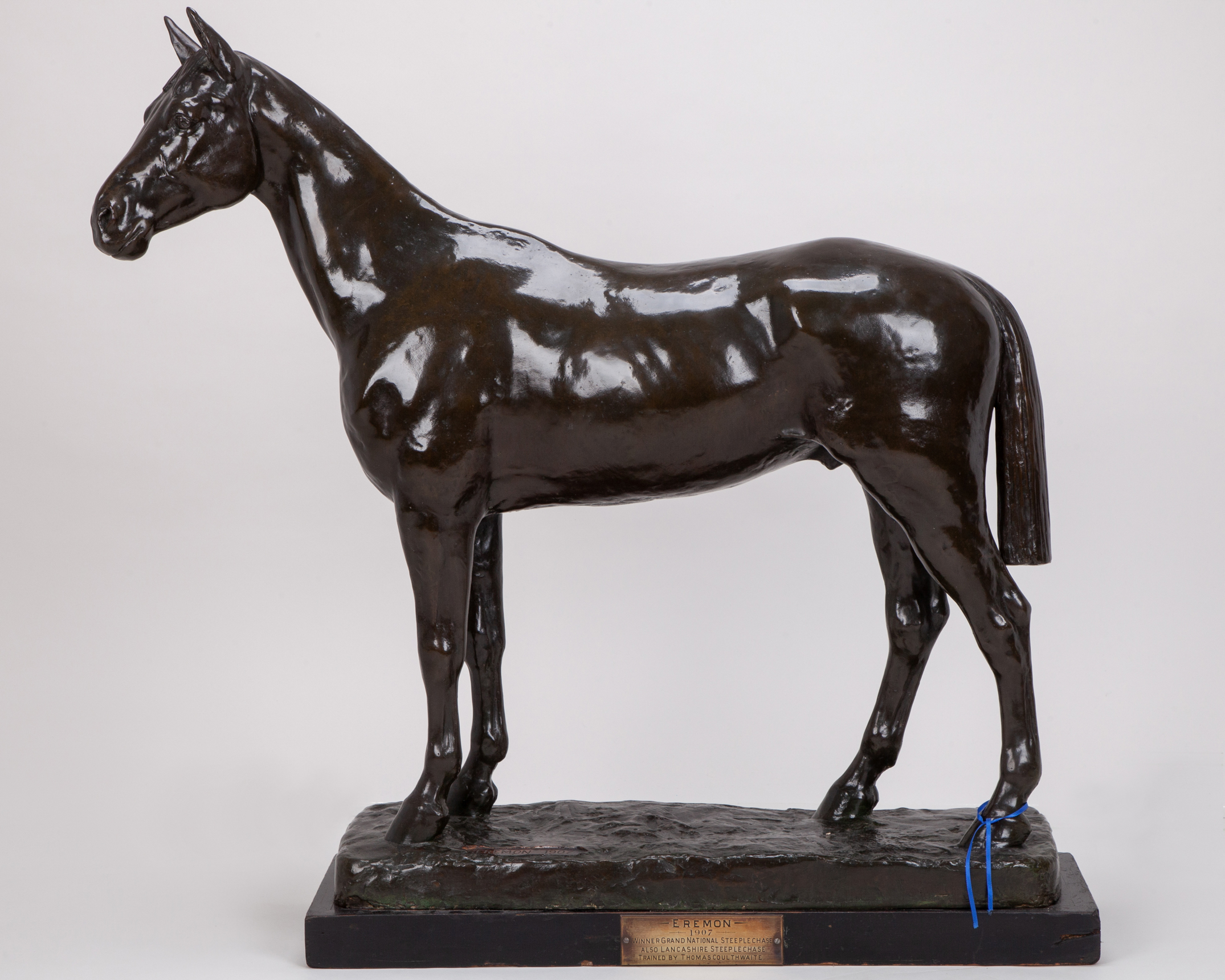
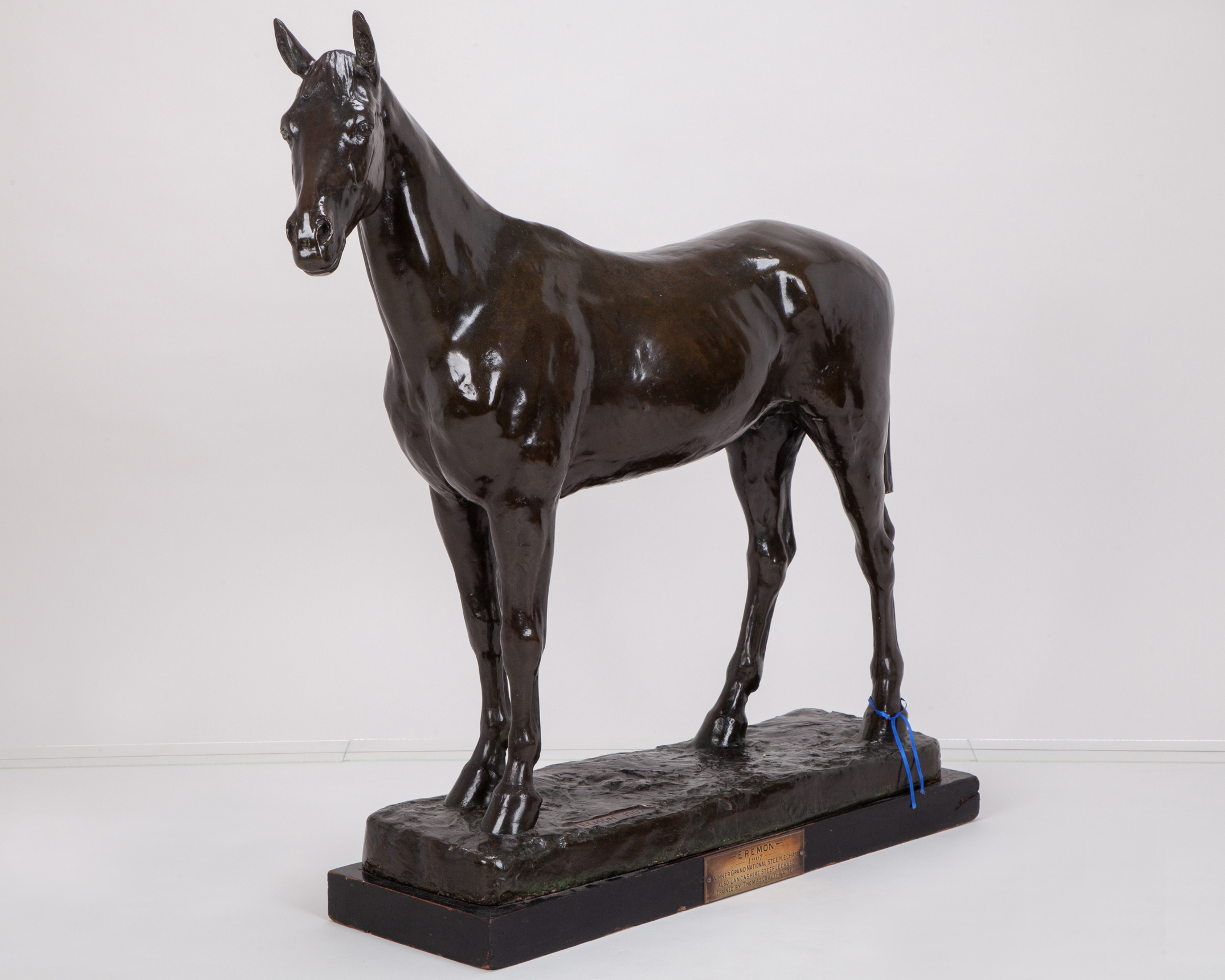
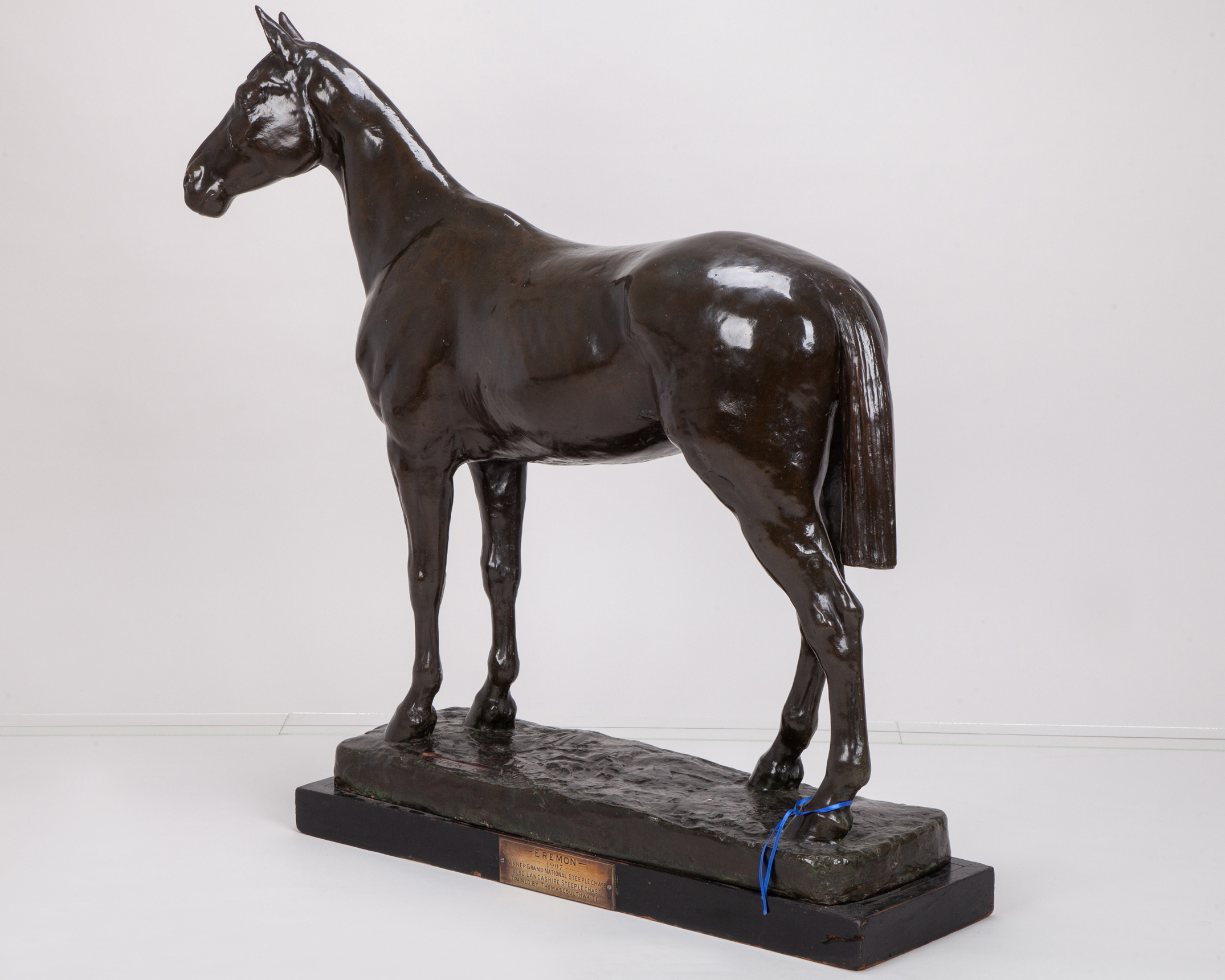
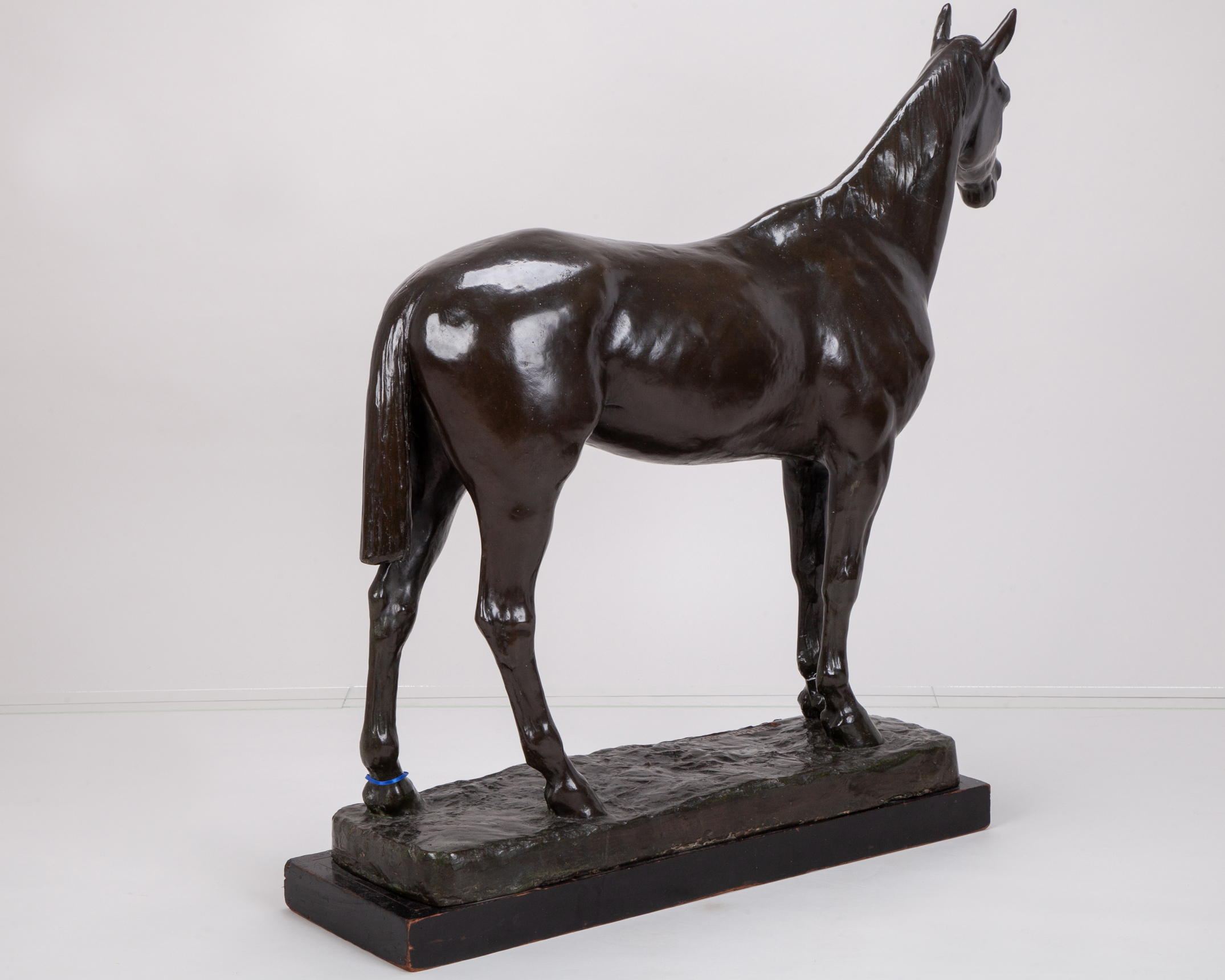
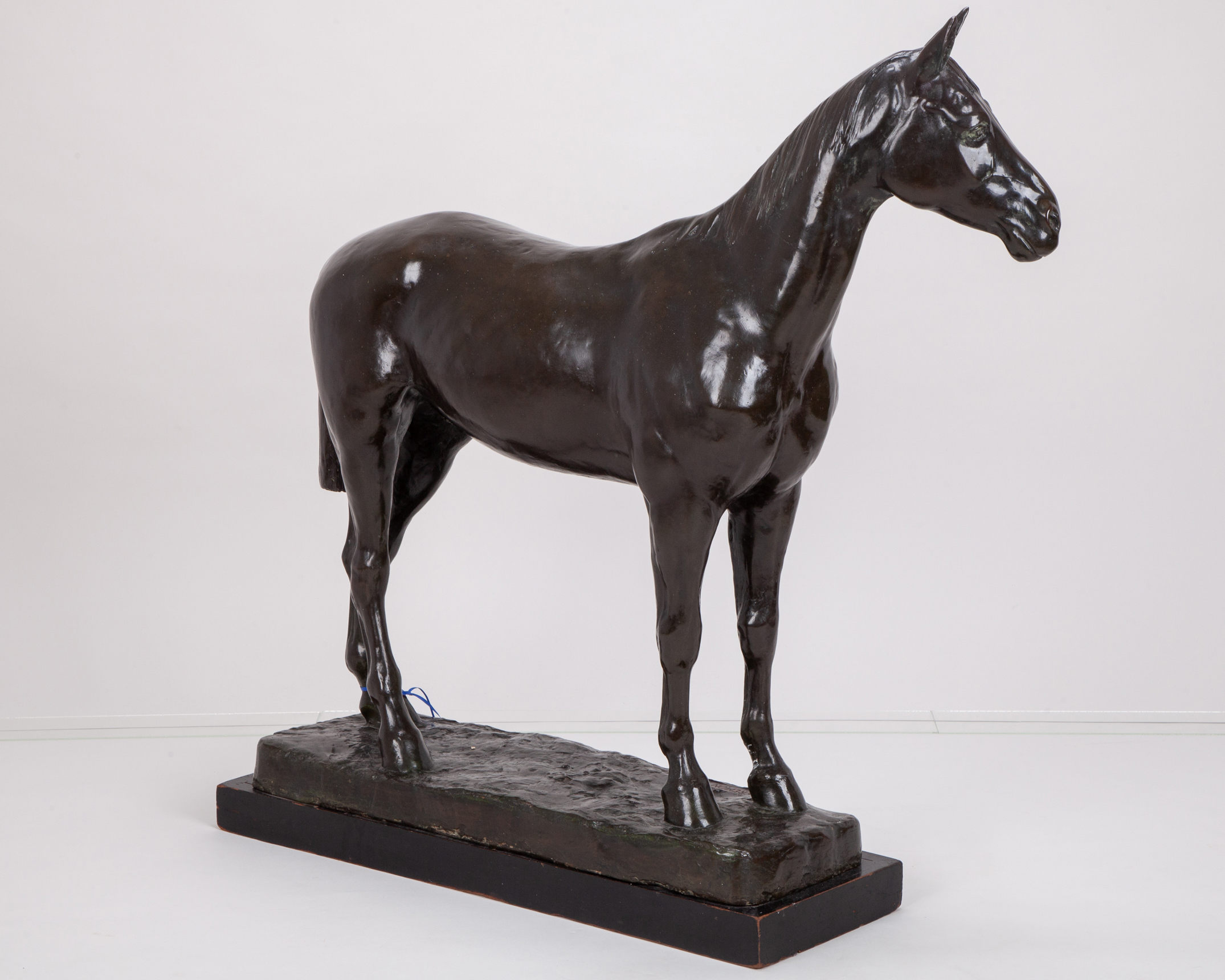
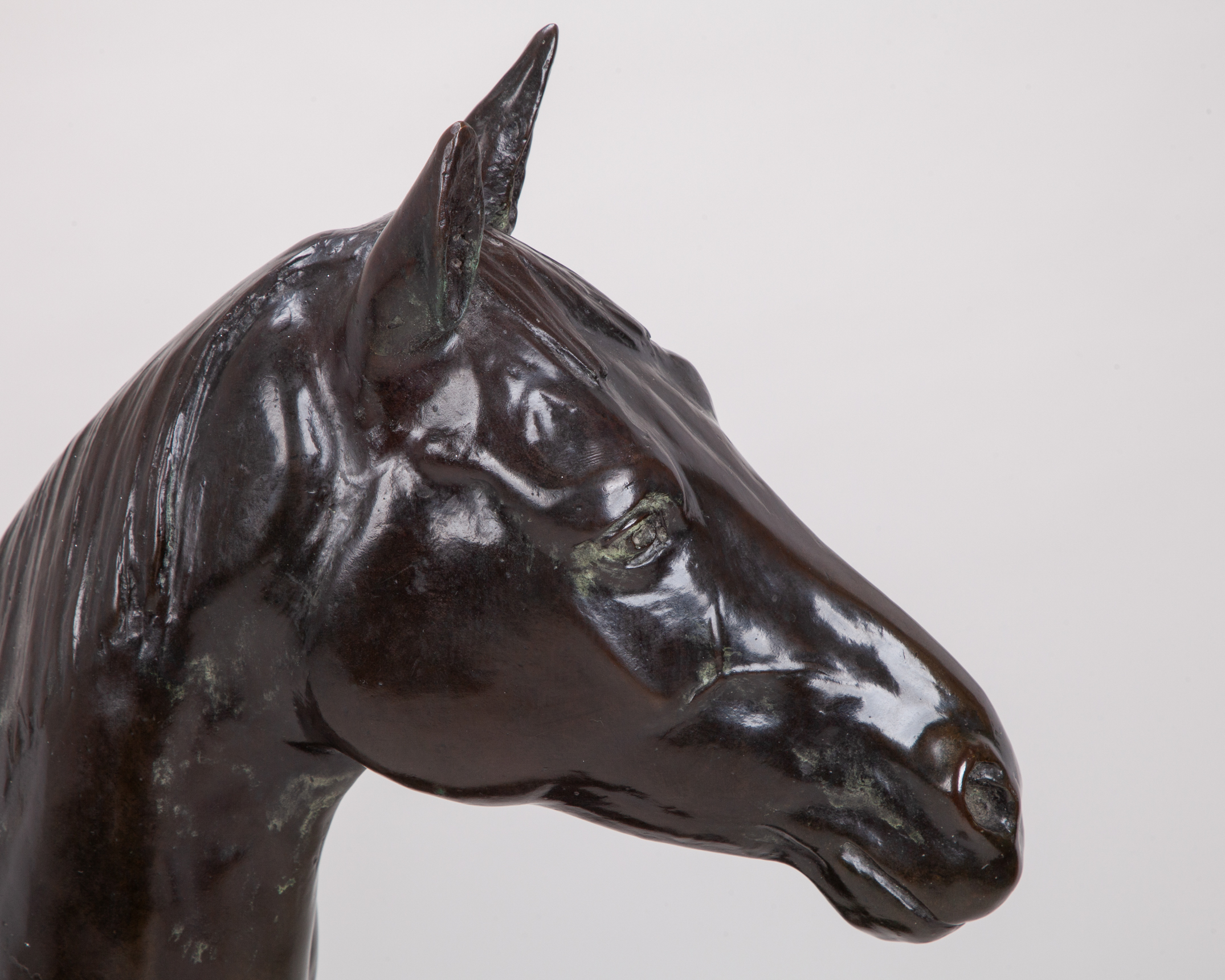
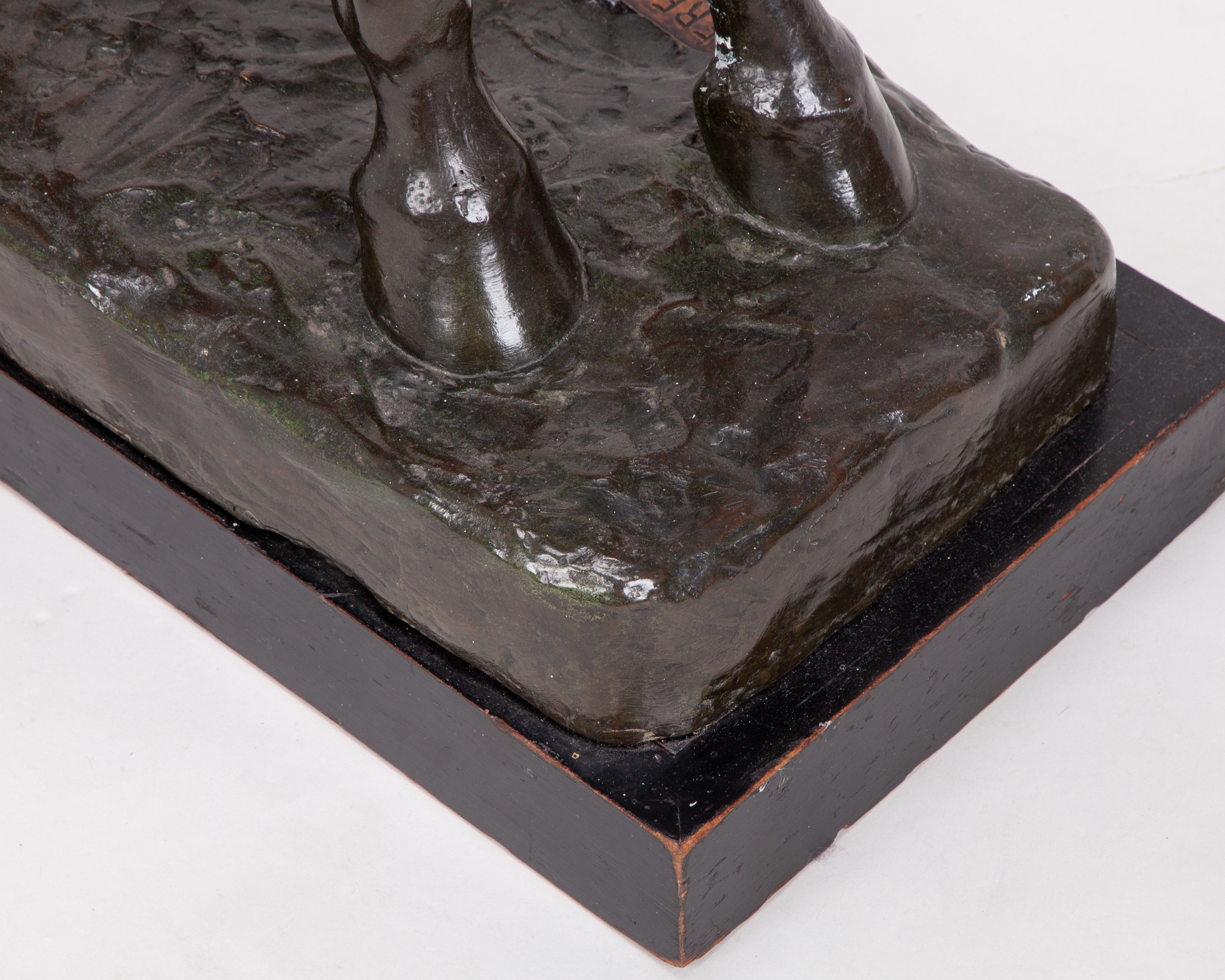
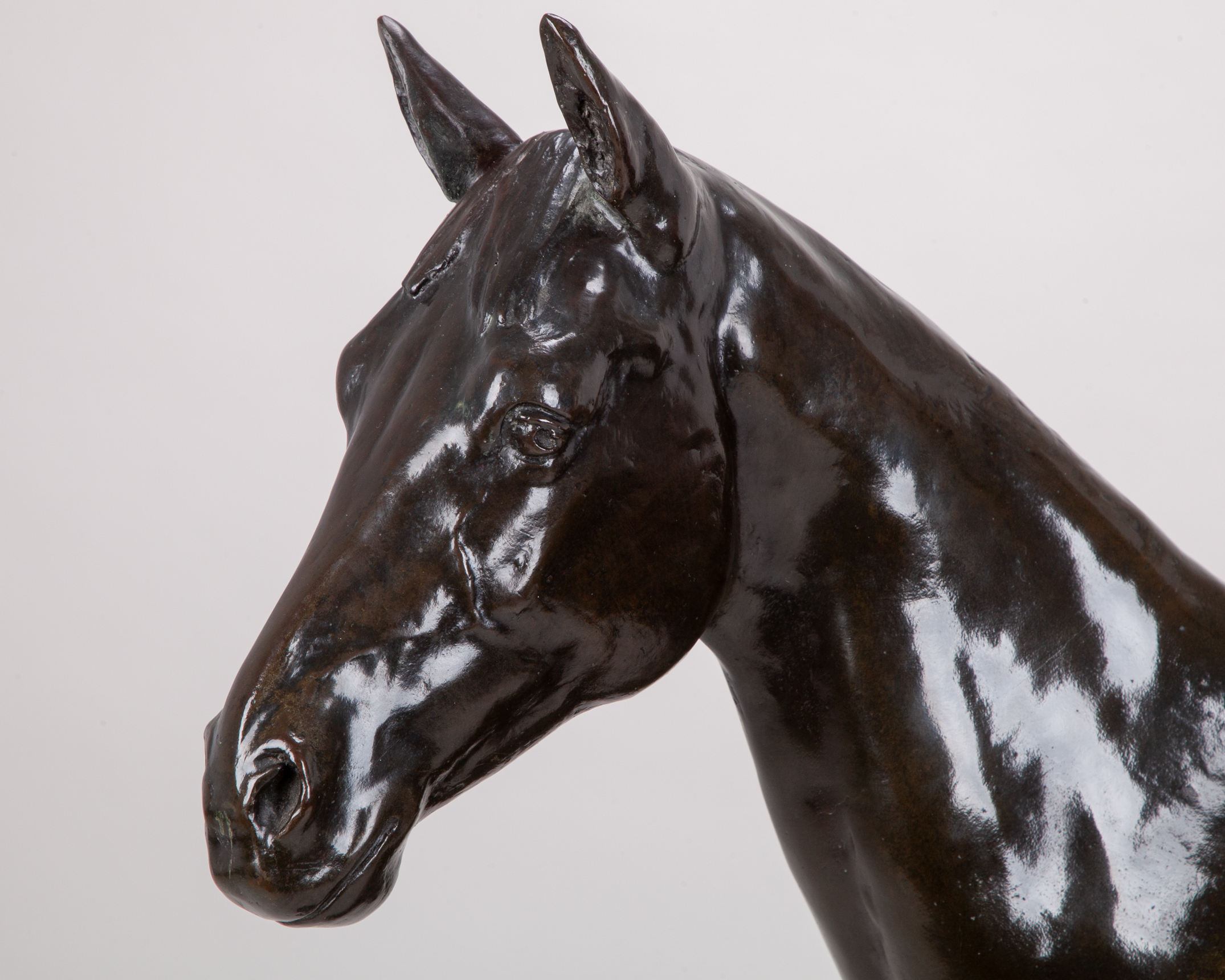
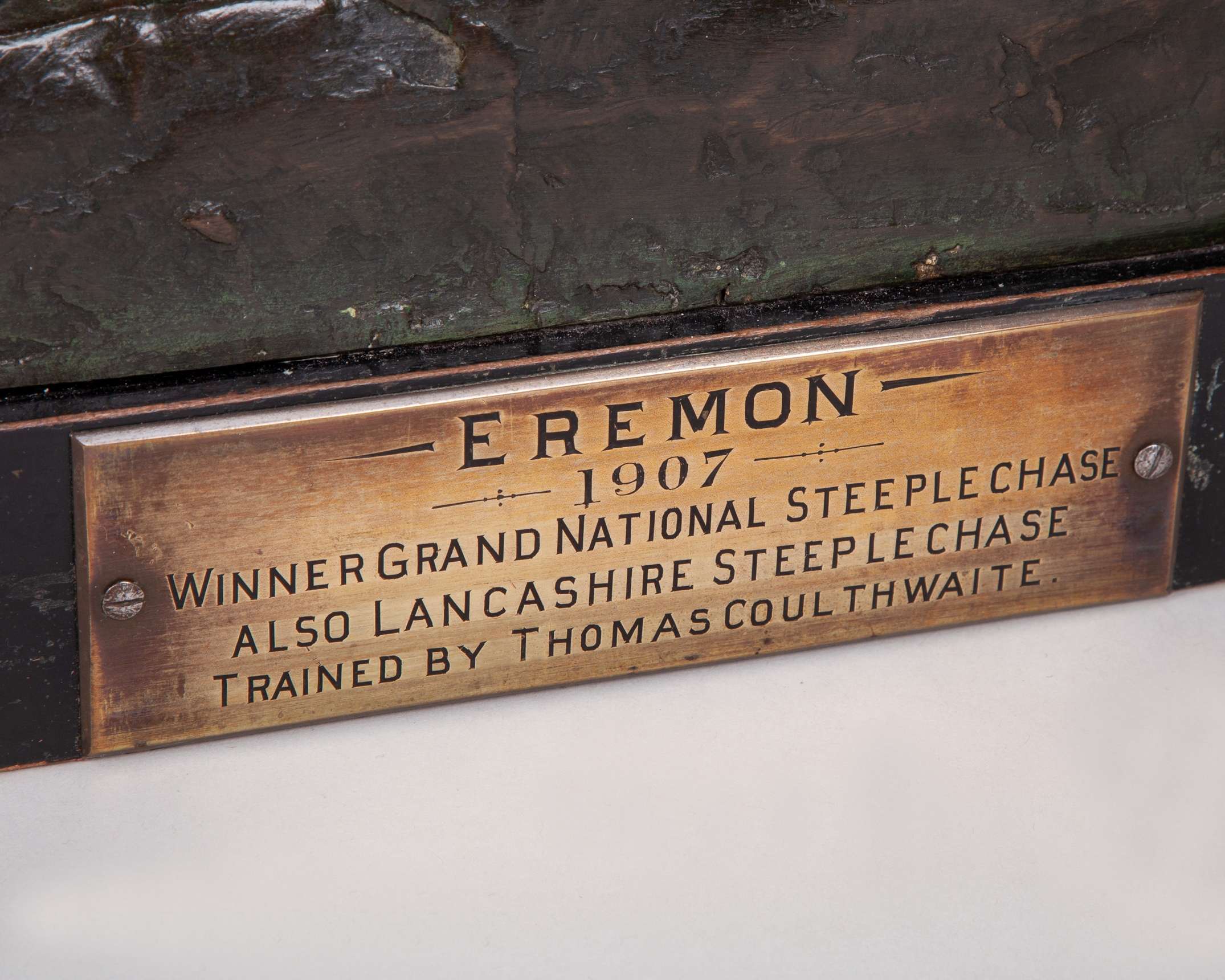
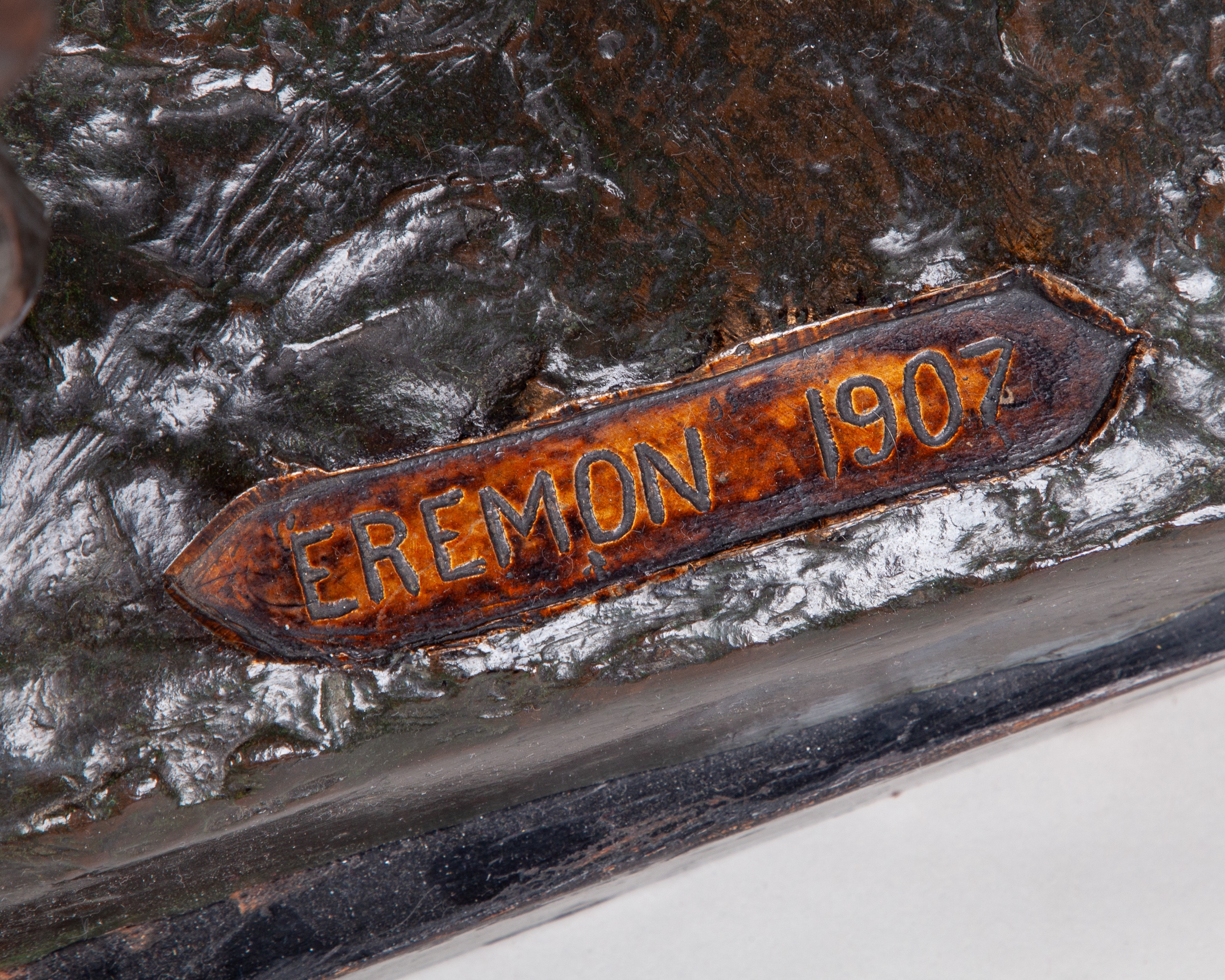
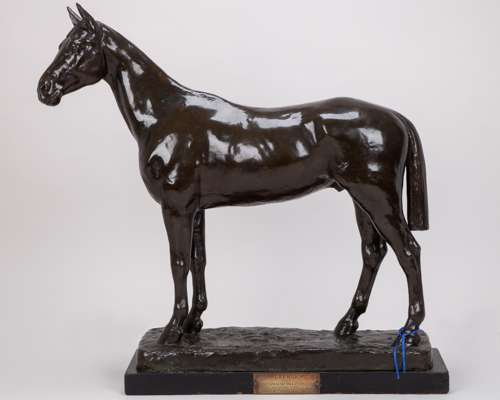
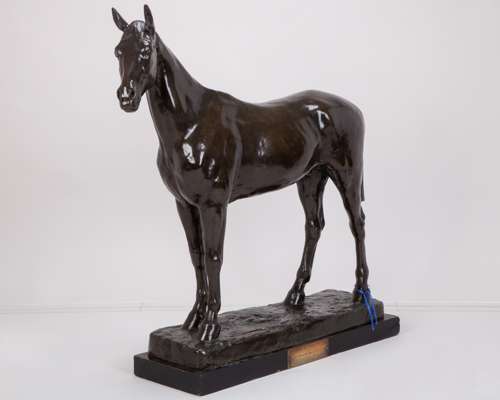
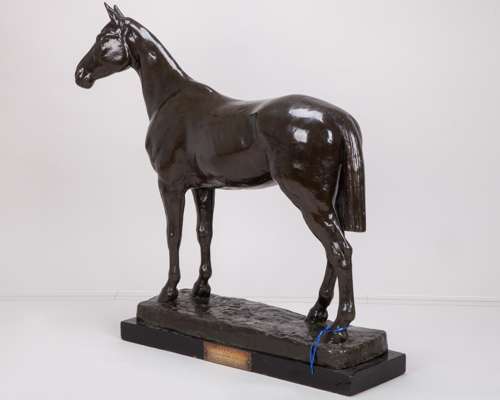
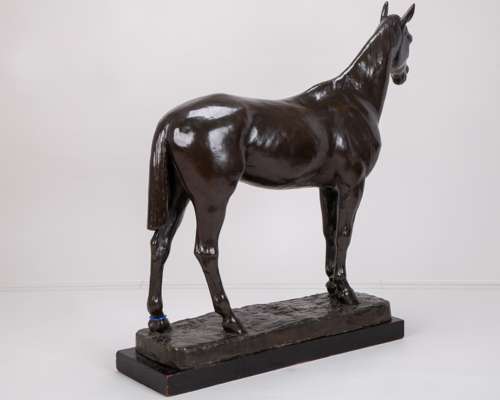
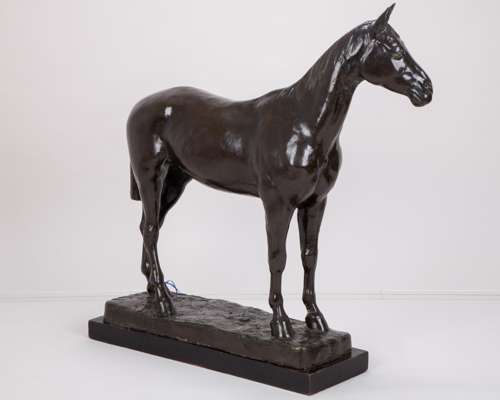
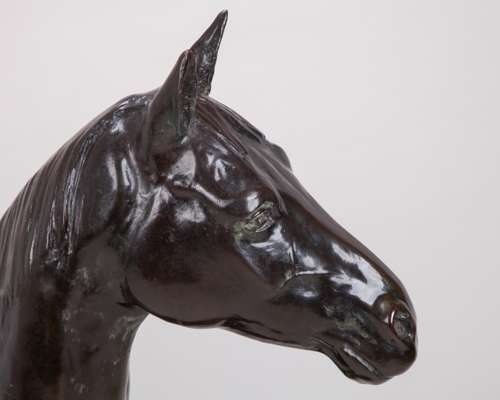
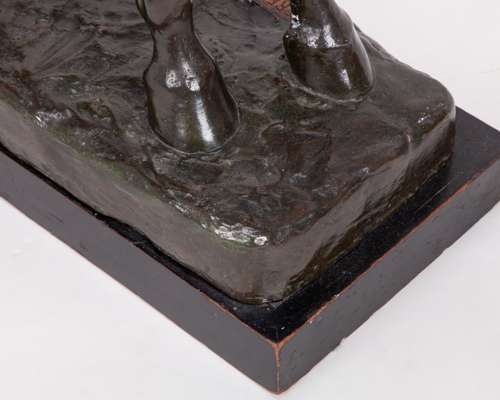
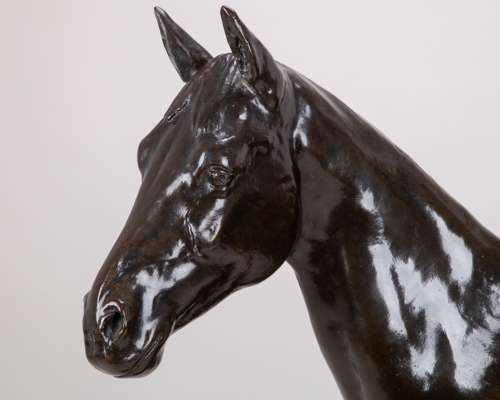
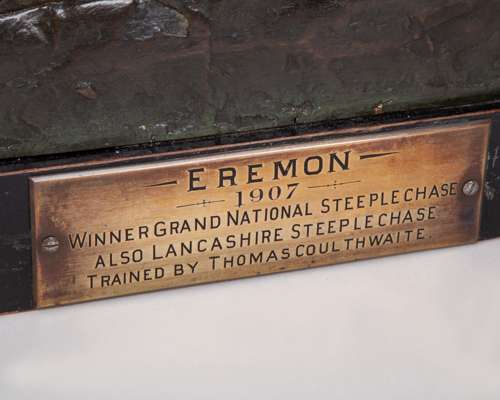
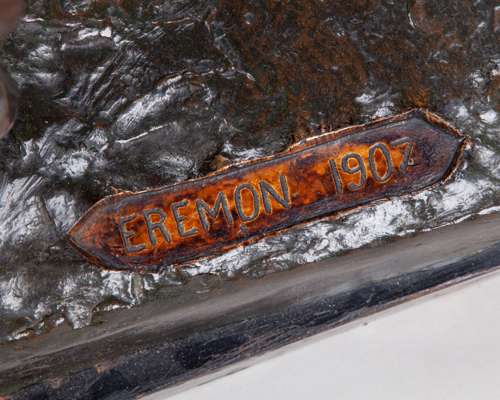
Enquire nowAttributed to the sculptor Adrian Jones (British, 1845-1938) a large and impressive Edwardian bronze statue of the racehorse Eremon, winner of the 1907 Grand National, unsigned, rich, dark brown patina, the horse standing on naturalistic base inscribed EREMON 1907, on an ebonised rectangular base with plaque inscribed EREMON, 1907, WINNER GRAND NATIONAL STEEPLECHASE, ALSO LANCASHIRE STEEPLECHASE, TRAINED BY THOMAS COULTHWAITE, 87cm high overall, length 90cm., width 23cm.
By family repute this sculpture commemorating Eremon the 1907 Grand National winner was commissioned by the racehorse’s owner Stanley McKnight Howard to present to Major Charles William Townsend, a veterinary surgeon who had 'fired' the horses legs (thermocautery) and in the process transformed the gelding’s race form enabling him to progress from low grade races to win the world’s greatest steeplechase the Grand National. The bronze remained in Major Townsend’s family until it was sold at Bonham’s in 2014.
Major Townsend was recognized as a distinguished veterinary officer in the British military serving in the Royal Army Veterinary Corps. He also contributed extensively to the 'Veterinary Journal.’
The sculptor Adrian Jones had also been a veterinary surgeon serving in the British Army for 23 years in the Royal Horse Artillery, only establishing himself as an artist and sculptor on his retirement from military service. His training as a veterinary surgeon gave him a deep knowledge of equine anatomy which he used in his work to great effect and he quickly established a reputation as an equestrian and animal sculptor. His most famous public commission was the four-horse chariot (quadriga) on top of Wellington’s Arch at Hyde Park Corner, London. His bronze of the Prince of Wales’s (later King Edward VII) 1896 Derby and St Leger winner Persimmon is in the Collection of the Jockey Club Rooms in Newmarket.
Although this magnificent bronze is unsigned, an attribution to Adrian Jones is very plausible given the high quality of the work and the fact that both sculptor and recipient were veterinary surgeons in the British Army providing a clear connection.